
Why does cloud gaming feel slower than a local console?
Many newcomers assume that streaming a game adds a minute‑long lag before the first frame appears. In reality, the average initial buffering time for major services—such as Xbox Cloud Gaming, NVIDIA GeForce Now, and Amazon Luna—is between 2 and 5 seconds on a 20 Mbps connection. The real bottleneck is not the cloud itself but the user’s home network: packet loss above 2 % can add 30 ms of latency per hop, which translates into a noticeable delay in fast‑paced shooters.
How much does a cloud gaming subscription really cost?
Pricing has settled into three tiers across the market. The entry level typically costs $9.99 per month and limits you to 1080p at 60 fps with a library of older titles. The mid‑tier, around $19.99, unlocks 1440p streaming and a broader catalog that includes recent releases. The premium tier—often $29.99—offers 4K resolution at 60 fps, priority server access, and the ability to stream from your own PC library. Add‑on costs, such as extra controller rentals, usually run $2–$3 per month.
What hardware do I actually need to start streaming?
If you already own a smartphone, tablet, or a modest laptop, you’re set. The only hard requirement is a display that supports HDMI 2.0 or DisplayPort 1.4 for 4K streaming, and a Wi‑Fi 5 (802.11ac) router positioned within 10 feet of the device. For wired connections, a gigabit Ethernet cable eliminates most latency spikes. No dedicated graphics card is necessary; the heavy lifting happens in remote data centers.
Which games are truly playable on the cloud?
As of 2024, more than 1,200 titles are officially supported across the major platforms. Action‑RPGs like Assassin’s Creed Valhalla, multiplayer shooters such as Apex Legends, and indie hits like Hades run smoothly at 60 fps when the server is within 150 ms of the player. However, games that rely on ultra‑low latency—particularly competitive fighting games like Tekken 7—still suffer on average connections, making them better suited for local hardware.
How does cloud gaming affect my overall gaming budget?
Consider the total cost of ownership over three years. A high‑end console plus accessories averages $600, plus $60 per year for online services. In contrast, a cloud subscription at $19.99 per month totals $720, but you avoid the upfront hardware expense and the need for periodic upgrades. If you already own a compatible device, the cloud route can save up to $200 in the long run, especially when you factor in the reduced electricity usage—approximately 15 kWh per year versus 80 kWh for a console.
What are the hidden drawbacks that most reviewers skip?
The biggest limitation is data consumption. Streaming at 1080p consumes roughly 7 GB per hour; 4K can exceed 20 GB. Users on capped broadband plans may hit their limits after just a few sessions. Additionally, regional server availability is uneven: players in rural areas of the Midwest often connect to a server 1,200 km away, adding 40–50 ms of latency compared to urban users. Finally, the reliance on a stable internet connection means that power outages or ISP throttling instantly render the service unusable.
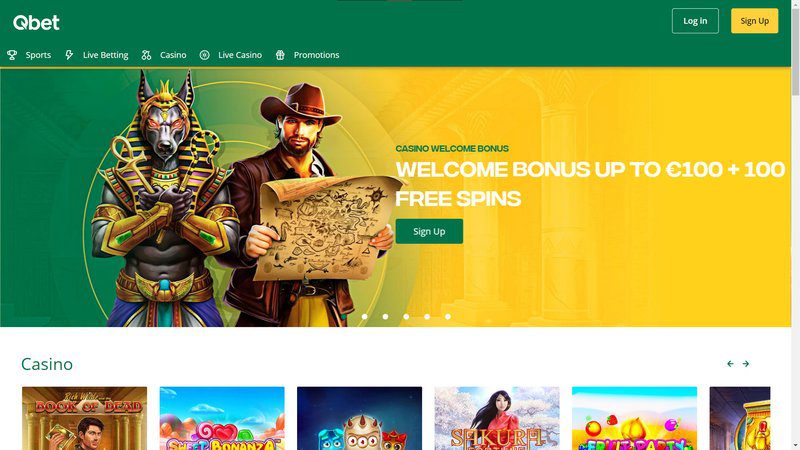
While cloud gaming reshapes how we think about ownership, it also dovetails with the broader shift toward online entertainment. For those curious about how streaming can extend beyond games into betting and other interactive experiences, the platform q bet offers a glimpse of where the convergence might head.
Is cloud gaming ready for mainstream adoption?
Yes, but with caveats. The technology now supports 4K at 60 fps for most mainstream titles, and the subscription models are competitive with traditional console pricing. However, reliable high‑speed internet remains a prerequisite, and gamers who prioritize competitive edge may still prefer local hardware. For casual players, families, and travelers, the flexibility of playing on any device without a console box is a compelling trade‑off.
Frequently Asked Questions
What causes the initial delay when launching a game in cloud gaming?
The initial delay is mainly due to the time the service needs to stream the first frames, which typically takes 2‑5 seconds over a 20 Mbps connection.
How does packet loss affect cloud gaming latency?
Packet loss above 2 % adds about 30 ms per hop, which can noticeably delay inputs in fast‑paced games.
Is a higher internet speed enough to eliminate cloud lag?
Speed helps, but low latency and minimal packet loss on the home network are more critical for smooth gameplay.
Do all cloud gaming services have the same performance?
Performance varies by provider, server location, and network conditions; testing each service on your setup gives the best insight.